
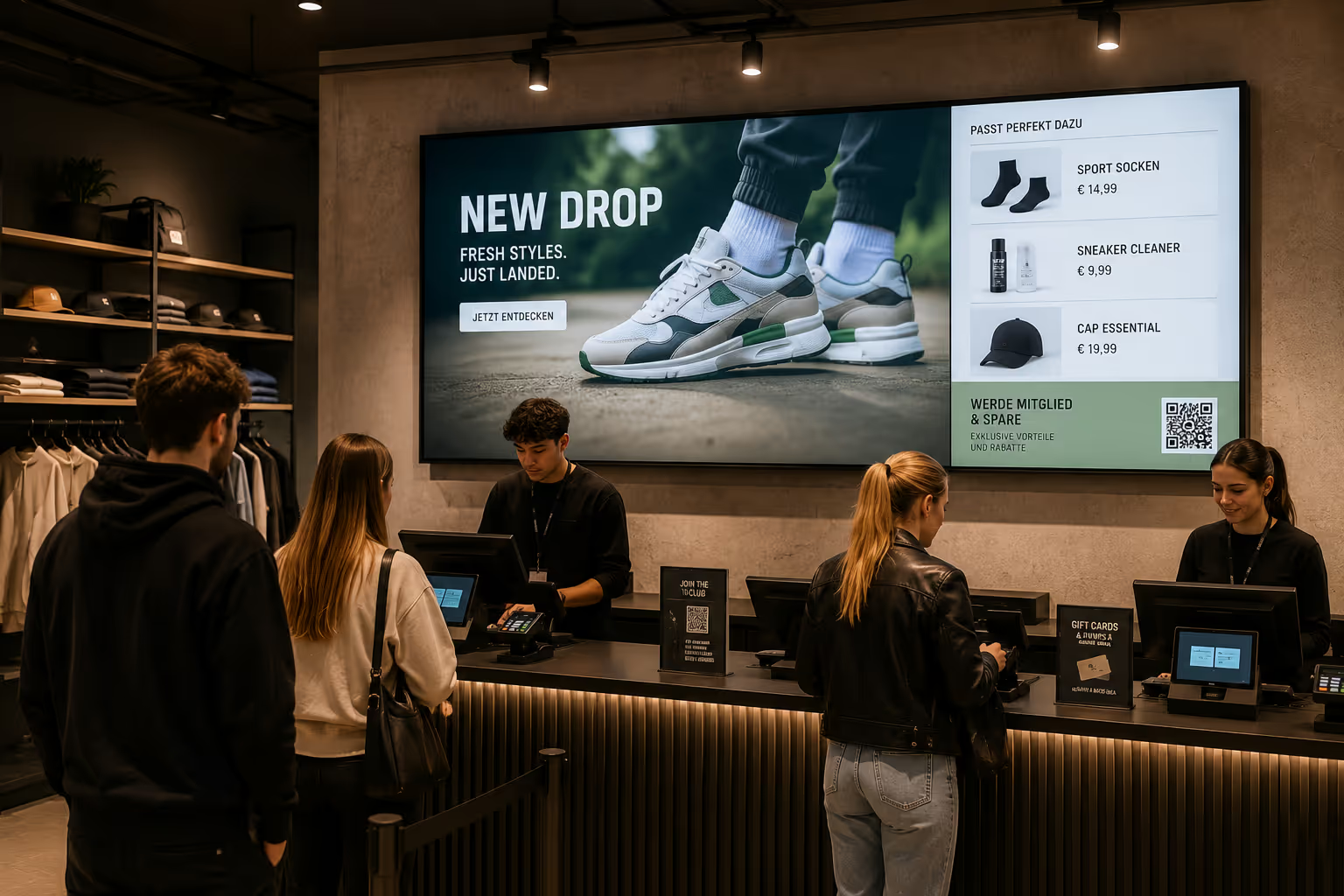
How Digital Displays Are Transforming the Point of Sale
Prices change, promotions rotate, products need to be visible, and customers expect up-to-date information directly in the store. For retailers, this means communication on the sales floor must become faster, more flexible, and more relevant.
This is precisely where digital signage comes into play.
In a nutshell: Digital signage in retail refers to the use of digital displays to centrally display prices, offers, advertising, product information, and customer notices at the point of sale. With connectSignage, retailers can centrally control, automatically update, and display content location-specifically for sales areas, window displays, shelves, checkout areas, and branches.
Digital displays don't just replace printed posters. They make sales areas more dynamic. They bring campaigns to the store faster. And they ensure that content appears exactly where purchasing decisions are made: in the window, on the shelf, in promotional areas, in the entrance area, or at the checkout.
Why Traditional POS Communication Hits Its Limits in Retail
In brick-and-mortar retail, speed matters. Offers often run for only a few days, prices change at short notice, and campaigns must be uniformly visible across multiple branches.
With printed posters, standees, or promotional signs, this is labor-intensive. Content must be created, printed, distributed, and exchanged on-site. If a branch updates too late or a sign is forgotten, inconsistent information quickly arises at the point of sale.
Typical challenges in retail include:
- Promotions are not visible everywhere simultaneously.
- Printed materials incur costs and coordination effort.
- Content quickly becomes outdated.
- Branches communicate inconsistently.
- Static posters get lost among many stimuli in the store.
Digital POS displays solve these challenges because content can be centrally managed and updated in real-time as needed. This creates a clear advantage for retailers with multiple locations: campaigns, prices, and customer information remain consistently visible.
Who is digital signage in retail suitable for?
Digital signage is particularly suitable for retailers who regularly need to update prices, promotions, product information, or advertising content.
These include, among others, chain stores, supermarkets, specialty stores, drugstores, pharmacies, fashion stores, opticians, electronics stores, DIY stores, furniture stores, and store-in-store concepts.
Smaller retailers also benefit if they want to modernize their sales floor presentation, create more flexible window displays, or inform customers more effectively at the point of sale.
What are the benefits of digital signage in retail?
Digital signage replaces printed posters, promotional signs, and static displays with digital screens. Retailers can centrally manage content, automatically display it by time or location, and make offers more visible directly at the point of sale.
The most important use cases in retail are:
- Price and promotional displays
- Advertising displays
- Window displays
- digital customer stoppers
- digital wayfinding
- Information displays
- digital product advisors
- Shelf Displays
- Checkout Screens
Each of these use cases fulfills a different task in the store. Together, they ensure that retail communication becomes more current, eye-catching, and easier to manage.
Price and promotional displays: Make offers visible faster
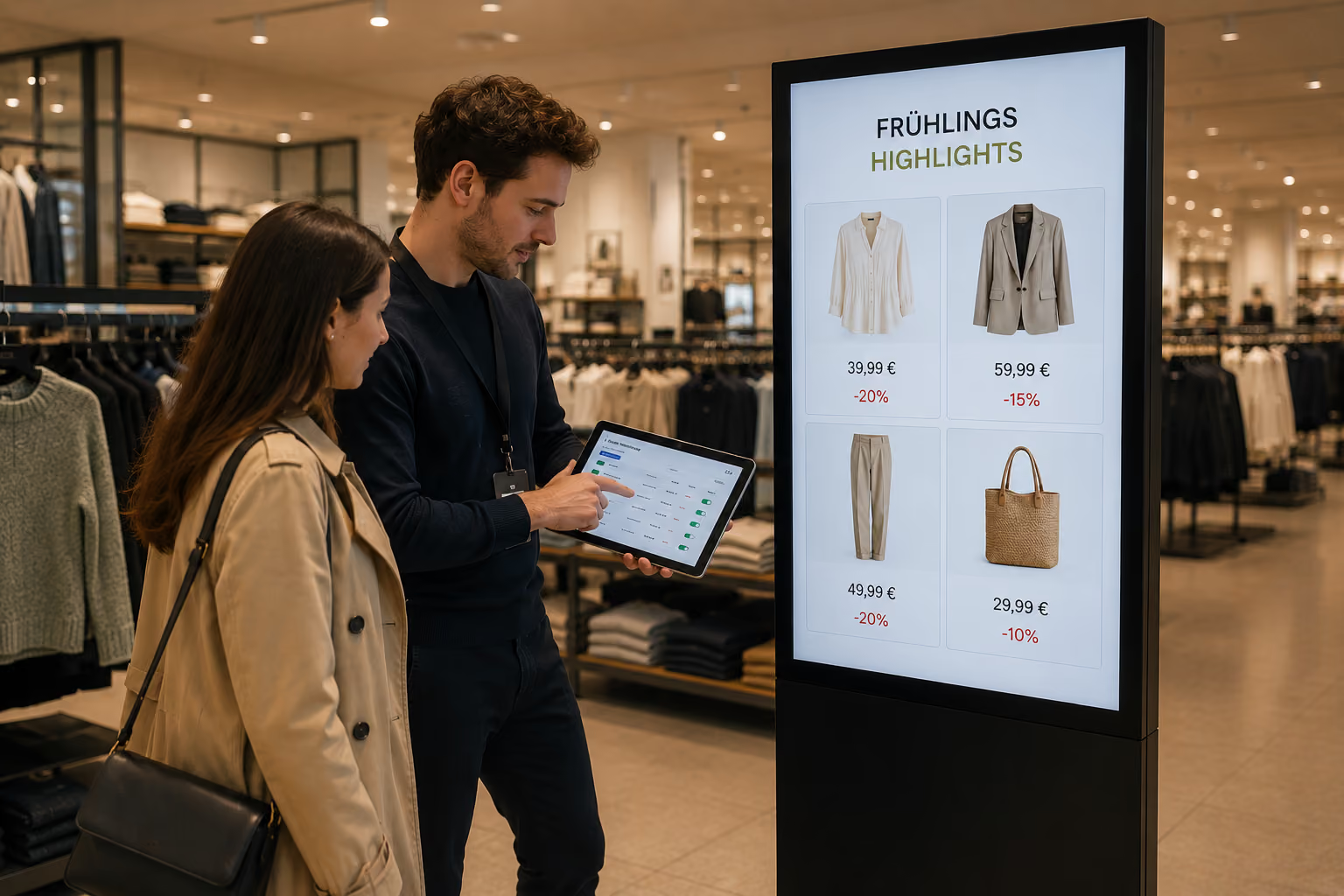
Price and promotional displays show current prices, discounts, weekly offers, and campaigns directly at the point of sale.
Instead of replacing printed promotional signs, content can be centrally maintained and automatically displayed on the appropriate screens. This is particularly helpful for changing product ranges, short-term price adjustments, seasonal promotions, or cross-branch campaigns.
A digital price display is suitable, for example, for supermarkets, drugstores, pharmacies, specialty stores, and promotional areas.
The greatest benefit is speed. Offers can be prepared, published on a schedule, and adjusted at short notice if needed. This keeps communication at the POS up-to-date without each branch having to manually update.
Advertising Displays: More Visibility on the Sales Floor
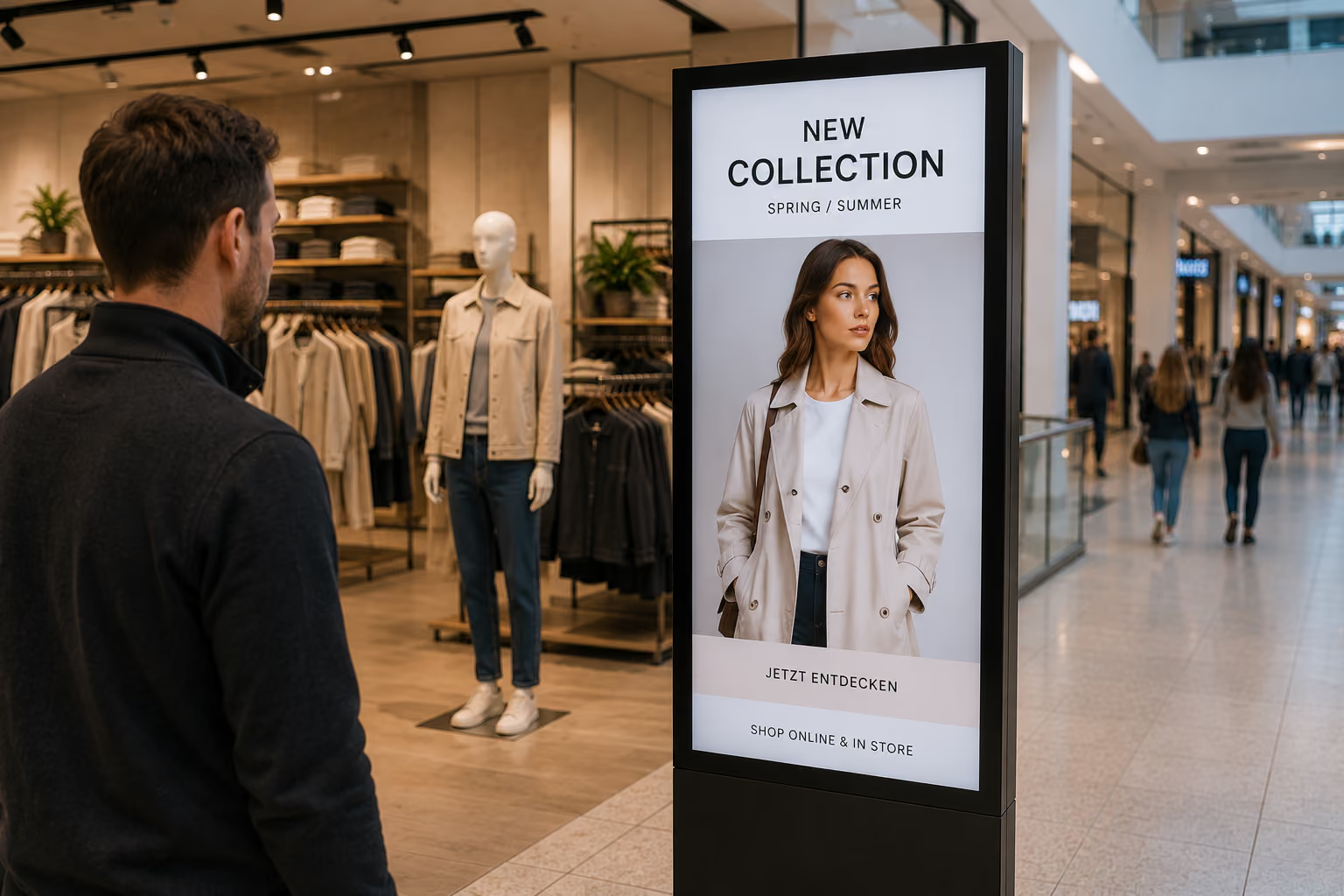
Advertising displays bring campaigns, new products, and brand messages directly into the store.
They are suitable for areas where customers compare, wait, or make spontaneous decisions. Moving content, product videos, or changing campaigns generate more attention than traditional posters.
Advertising displays are particularly effective at entrances, along walkways, in promotional areas, or as video walls.
With connectSignage, advertising content can be scheduled by time, location, or campaign. This allows for targeted display of regional offers, seasonal promotions, or time-of-day-dependent content.
Shop Window Displays: Digital Outdoor Impact for Increased Footfall
The shop window is one of the most important advertising spaces in retail. It often determines whether passers-by stop, notice the store, or enter a business.
Digital shop window displays make this space more dynamic. Videos, animations, and campaigns attract attention and can remain visible even outside opening hours.
Shop window displays are particularly suitable for fashion stores, opticians, pharmacies, telecommunication providers, banks, specialist retailers, and chain stores.
The advantage: campaigns can be changed centrally without the need to produce or replace posters on-site. This keeps the shop window up-to-date without additional effort for the branch.
Digital A-Boards: Dynamic Content Along Walkways
Traditional A-boards are placed in front of the store, in the entrance area, or along walkways. Their purpose is to attract attention and encourage spontaneous visits.
Digital A-boards go a step further. They display changing content, videos, animations, or daily offers, making them more noticeable than static displays.
They are particularly suitable for city center locations, shopping centers, malls, entrance areas, or spaces directly in front of the store.
Compared to printed displays, digital A-boards offer more flexibility. Content can change automatically, be displayed depending on the time of day, or be adjusted at short notice.
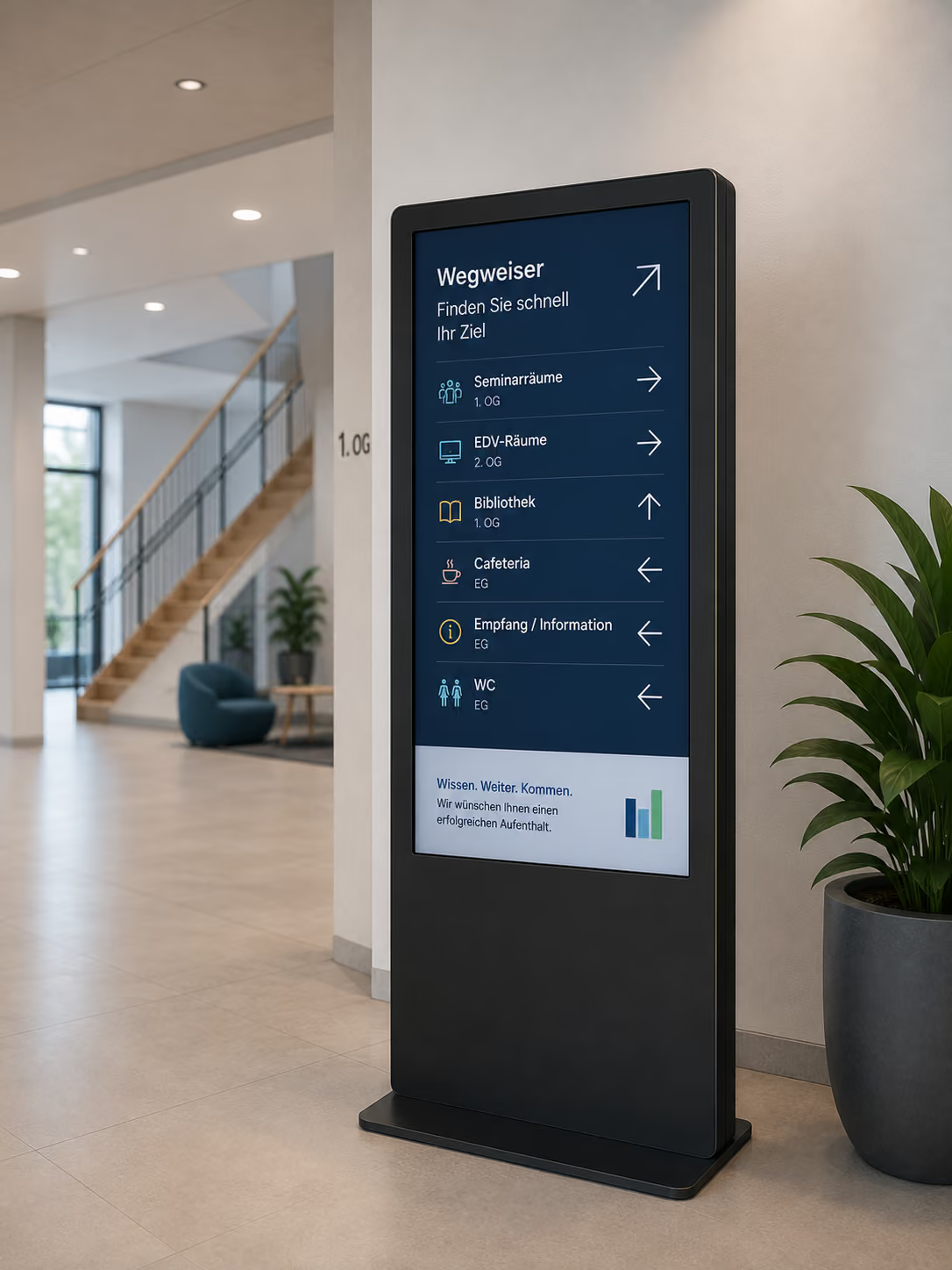
Digital Wayfinding: Guidance on Large Sales Floors
In large stores, furniture stores, DIY stores, or shopping centers, orientation is an important part of the customer experience.
If customers cannot quickly find departments, services, or products, it leads to inquiries, wasted search time, and frustration. Digital wayfinding helps guide visitors purposefully through the space.
Interactive floor plans, digital maps, and signposts reduce inquiries and guide customers more quickly to relevant areas.
This not only improves orientation but can also help to more consciously direct customer flows — for example, to promotional areas, consultation zones, or high-margin product sections.
Info Displays: Pre-empt Customer Questions
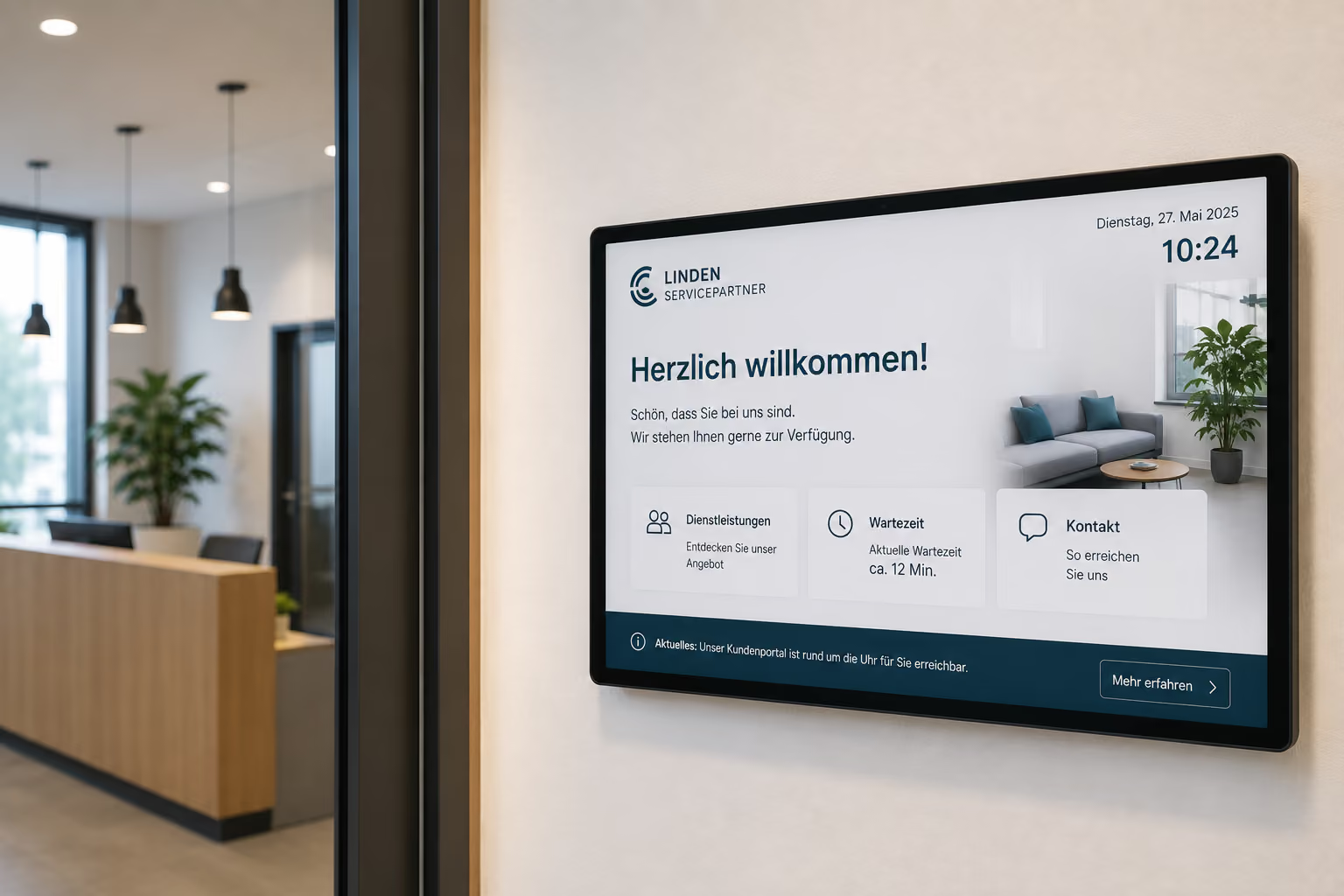
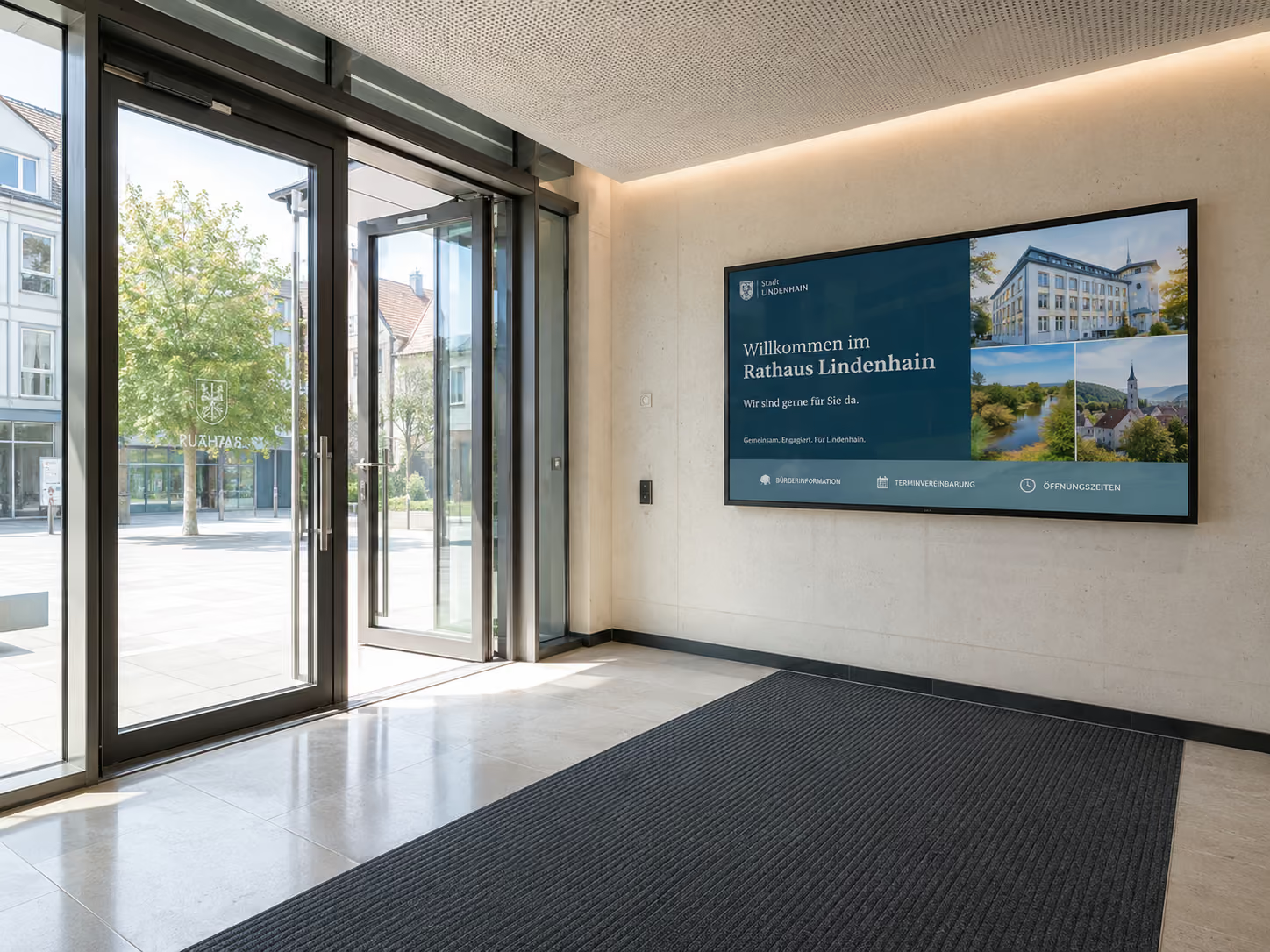
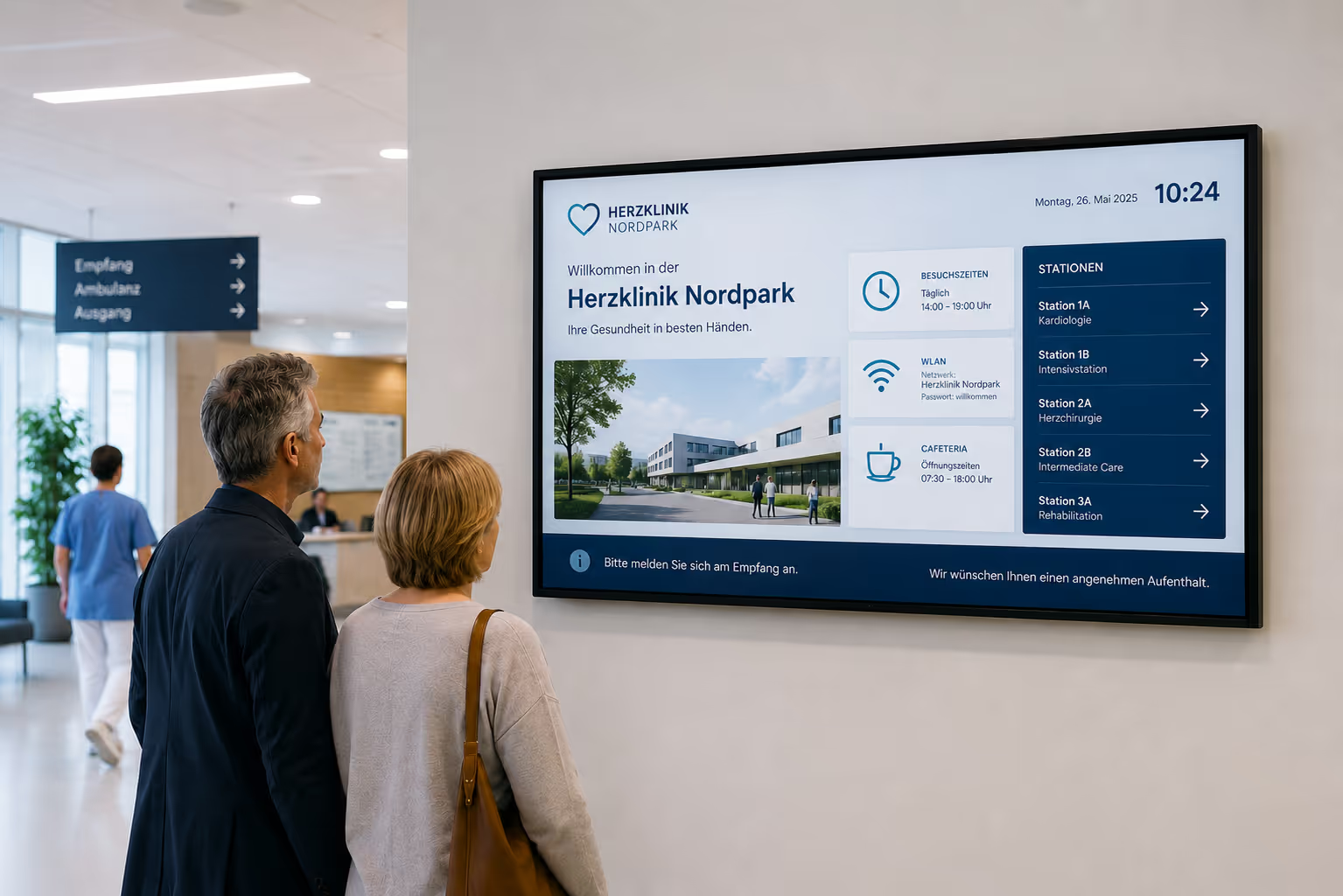
Information displays show opening hours, services, notices, and current in-store information.
They are ideal for entrance areas, service points, checkout areas, or waiting zones. Common questions are answered visually before customers need to approach staff.
An information display can show content such as:
- Opening hours
- Service offerings
- Return information
- Loyalty card information
- Current promotions
- Information on departments or services
For retailers, this means fewer routine questions and clearer in-store communication.
Digital Product Advisors: On-Screen Advice
A digital product advisor assists customers with their selection.
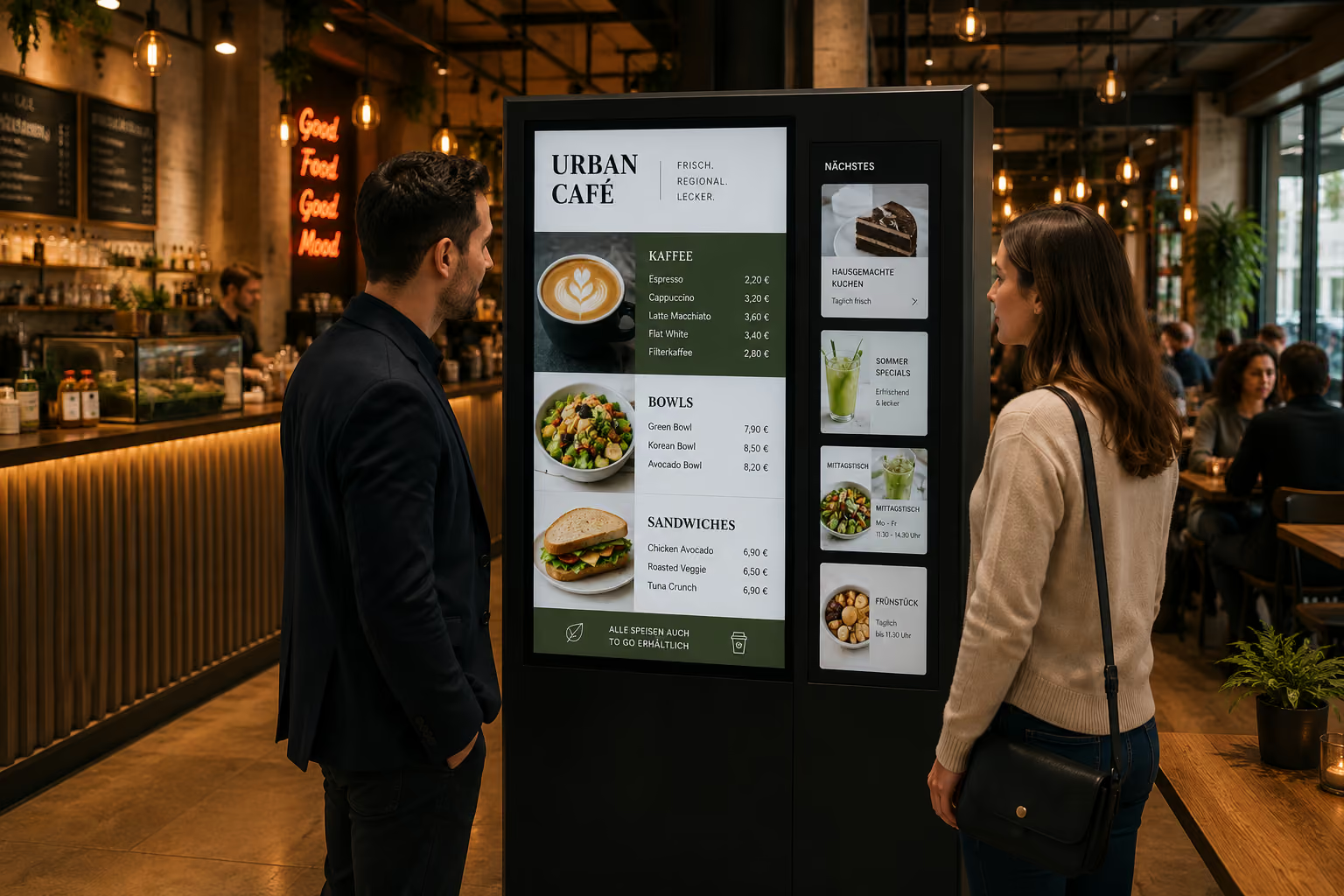
Interactive displays allow customers to compare products, understand different variants, or check availability. This can be particularly helpful for complex or high-value items, supporting the purchasing decision.
Digital product advisors are ideal for electronics, furniture, sporting goods, DIY stores, and specialty retail.
They reduce the burden on staff and enable customers to inform themselves independently. At the same time, product information remains consistent and up-to-date.
Shelf Displays: Product Communication Right at the Shelf
Shelf displays bring digital content directly to the point of purchase decision: the shelf.
There, they can draw attention to new arrivals, high-margin products, cross-selling offers, or items requiring explanation.
Especially at the shelf, digital communication can make a big difference because customers are already in the decision-making process. A quick hint, a product benefit, or a suitable additional offer can be effective exactly where it's most relevant.
Shelf displays are suitable for supermarkets, drugstores, pharmacies, electronics stores, and branded areas.
Checkout Screens: The final impulse purchase at the checkout
Checkout screens utilize waiting time at the checkout.
They display impulse offers, vouchers, services, or last-minute promotions. This creates an additional digital touchpoint right before the purchase is completed.
Especially in supermarkets, drugstores, pharmacies, and specialty stores, digital checkout displays can support additional sales.
The checkout area thus becomes not only a place for processing purchases but also the last opportunity to highlight relevant offers.
Why connectSignage is suitable for retail
connectSignage is a digital signage software for central control of digital displays. Content can be managed, scheduled, and distributed to individual screens, display groups, branches, or sales areas via a single interface.
connectSignage is particularly suitable for retail when content needs to be regularly updated, multiple locations managed, or campaigns consistently rolled out.
This allows prices, promotions, advertising content, product information, and customer notices to be centrally prepared and displayed exactly where they will be effective in the store.
Conclusion: Digital Signage makes retail spaces more current and impactful
Digital signage makes retail faster, more flexible, and more visible.
Prices, promotions, advertising, customer information, and product content can be centrally controlled and displayed exactly where they are relevant: at the point of sale.
For retailers with multiple locations, connectSignage offers a central solution to distribute content consistently, automatically, and across all branches.
Digital displays not only replace printed posters. They create new opportunities to utilize sales areas more actively, better inform customers, and make offers more visible.
FAQ
What is Digital Signage in Retail?
Digital signage in retail describes the use of digital displays to show prices, offers, advertising, product information, wayfinding, and customer notices in-store.
Which Digital Signage Use Cases are suitable for retail?
Important use cases include price and promotion displays, advertising displays, window displays, digital customer stoppers, product advisors, shelf displays, info displays, digital wayfinding, and checkout screens.
How Digital Signage Helps at the Point of Sale
Digital Signage displays offers, product information, and campaigns directly where customers make purchasing decisions.
Can Digital Signage be controlled across multiple stores?
Yes. With connectSignage, content can be centrally managed and distributed to individual displays, stores, or entire store networks.
How does connectSignage support retail?
connectSignage helps retailers centrally control digital displays, plan content, and target information based on location, time, store, or use case.
Bereit deine Kommunikation zu transformieren?
Entdecken, wie connectSignage deine Botschaften sichtbar und wirksam macht.
Weitere Insights zur digitalen Kommunikation
Lese mehr zu Trends, Strategien und Technologien, die Unternehmen verändern.
.png)

.png)
.png)
.png)
Digital Signage Insights Delivered Straight to Your Inbox
Trends, best practices, and tips—concise, relevant, and practical.