
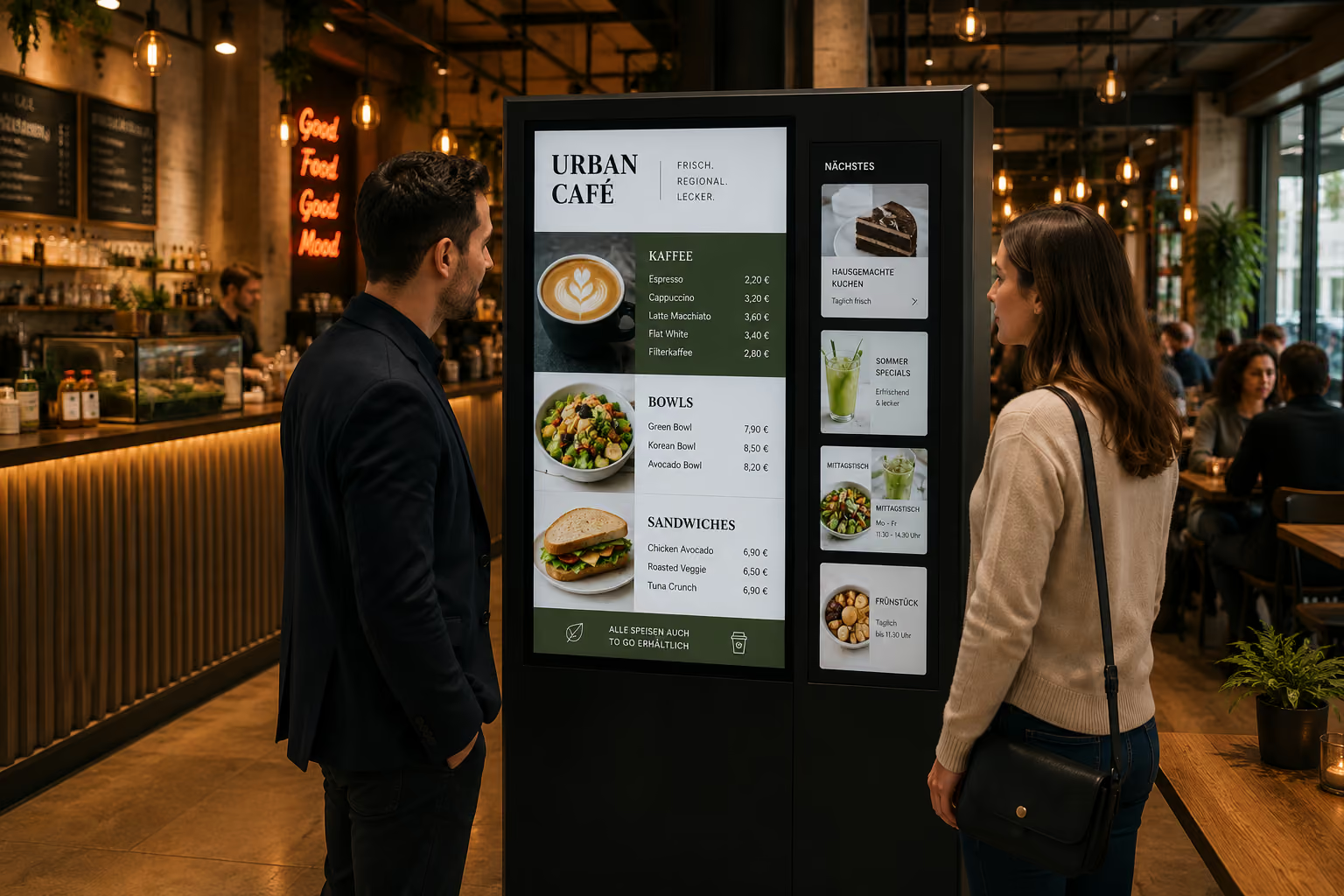
Digital menu boards that whet the appetite
In gastronomy, communication must be fast, clear, and appetizing. Guests want to know what dishes are available, how much they cost, what current offers there are, and what information is important for ordering, pickup, or their stay.
At the same time, content is constantly changing. Breakfast, lunch specials, dinner menus, happy hour, sold-out dishes, seasonal offers, events, allergens, and additives must remain up-to-date. Printed menus, chalkboards, or notices are often too slow and inflexible for this.
This is exactly where digital signage in gastronomy comes in.
In brief: Digital signage in gastronomy refers to the use of digital displays to centrally present menu boards, menus, daily specials, prices, allergen information, event details, and guest communication. With connectSignage, restaurants, cafés, bars, bakeries, fresh food counters, food courts, fast-food restaurants, and restaurant chains can centrally control content, automatically switch it by time of day, and display it on individual locations or screens.
Digital menu boards don't just replace printed boards. They make offers more visible, content more flexible, and the ordering process clearer — right where guests make their decisions.
Why traditional menus and notices have their limitations
In gastronomy, timing is everything. A breakfast offer is only relevant in the morning, a lunch special must appear on time, a sold-out dish should disappear immediately, and happy hour offers must be visible at precisely the right time.
With printed cards, boards, or displays, this is time-consuming. Content must be adjusted, printed, replaced, or manually overwritten. If prices, dishes, or availabilities are not up-to-date, it leads to queries, frustration, and unnecessary effort for the team.
Typical challenges in gastronomy include:
- Menus change depending on the time of day.
- Prices and offers need to be adjusted at short notice.
- Daily specials or products are sometimes sold out.
- Allergen and additive information must be correctly available.
- Guests need quick orientation at the checkout or pickup area.
- Waiting times should feel more pleasant.
- Events, promotions, and additional offers need more visibility.
- Multiple locations need to communicate consistently, yet remain locally relevant.
- Employees should not have to manually replace boards or notices.
Digital signage solves these challenges because content can be centrally managed, scheduled by time, and updated instantly when needed.
Why digital menu boards are becoming increasingly important
Digital menu boards are no longer just a trend for large fast-food chains. They are used in restaurants, cafes, bakeries, bars, food courts, canteens, university cafeterias, and fresh food counters because they make menus more flexible, visual, and up-to-date.
Market data clearly shows this development: The global digital signage market was estimated at approximately 22 billion US dollars in 2024 and is projected to grow to around 49.4 billion US dollars by 2034. The market for digital menu boards is also growing dynamically: It was valued at approximately 2.8 billion US dollars in 2023 and is expected to rise to around 6.5 billion US dollars by 2033.
For the gastronomy sector, this means: Digital menus, menu boards, and promotional displays are becoming an integral part of modern guest communication. They combine visual impact with operational flexibility — and make content visible precisely when it is relevant.
Businesses with changing offers, time-of-day menus, multiple locations, or high order volumes particularly benefit from this because digital menu boards combine central control with rapid updates.
Who can benefit from digital signage in gastronomy?
Digital signage is ideal for restaurants, cafes, bars, bakeries, confectioneries, food courts, fast-food restaurants, canteens, university cafeterias, franchise concepts, ghost kitchens, takeaway businesses, fresh food counters, catering areas, and restaurant chains.
Digital signage is particularly useful wherever menus, prices, offers, or guest information change regularly.
These include:
- Checkout areas
- Order counters
- Pickup zones
- Entrance areas
- Dining areas
- Bars
- Buffets
- Food courts
- Patio areas
- Drive-through or take-away zones
Even smaller catering businesses benefit when they want to manage menus more flexibly, present offers more attractively, or make events more visible.
What are the benefits of Digital Signage for the food service industry?
Digital Signage improves menu communication, offer management, upselling, guest information, atmosphere, and event marketing. Digital displays show menus, prices, daily specials, allergens, promotions, social media, pick-up information, events, and notices.
The most important use cases in the food service industry are:
- digital menu boards
- digital menus
- Time-based offers
- Live price and offer updates
- Upselling displays
- Allergen and additive information
- Waiting area and pick-up displays
- Social media and entertainment screens
- Event marketing
- digital customer information
- Welcome screens in the entrance area
Each of these use cases serves a different purpose. Together, they ensure that guest communication becomes more current, appealing, and manageable.
Digital Menu Boards: Flexible, Appealing, and Always Up-to-Date
The digital menu board is one of the most important Digital Signage use cases in the food service industry. It displays food, drinks, prices, daily specials, menus, combo offers, and additional information directly in the guests' line of sight.
The main advantage is flexibility. Content can change based on time of day, day of the week, location, or offer.
A typical daily schedule might look like this:
- mornings: breakfast menu, coffee specials, and baked goods
- from 11:30 AM: lunch menu, daily specials, and set menus
- afternoons: cakes, snacks, and drinks
- evenings: cocktails, dinner menu, or event announcements
- on weekends: brunch, specials, or seasonal offers
No employee needs to swap out signs or rewrite boards. Content can be planned in advance and displayed automatically.
With connectSignage, menu boards can be centrally managed and displayed on individual screens, areas, or locations. This is particularly helpful for restaurant chains, fast-food establishments, canteens, or food concepts with multiple branches.
Adjust prices and dishes in seconds
In the food service industry, prices and offers change frequently. Ingredients become more expensive, seasonal products rotate, happy hours begin, daily specials run out, or individual products are temporarily unavailable.
Digital menu boards make these changes easier. Prices, dishes, or offers can be changed directly in the browser — on a single screen or synchronously across an entire restaurant chain.
If a daily special sells out at 1:00 PM, it can be removed from the display with just a few clicks. This way, guests don't see items that are no longer available, and the team has fewer disappointments or inquiries to handle.
Time-controlled promotions can also be prepared. A happy hour can start automatically, a lunch special can appear punctually, and a dinner menu can become visible at the right time.
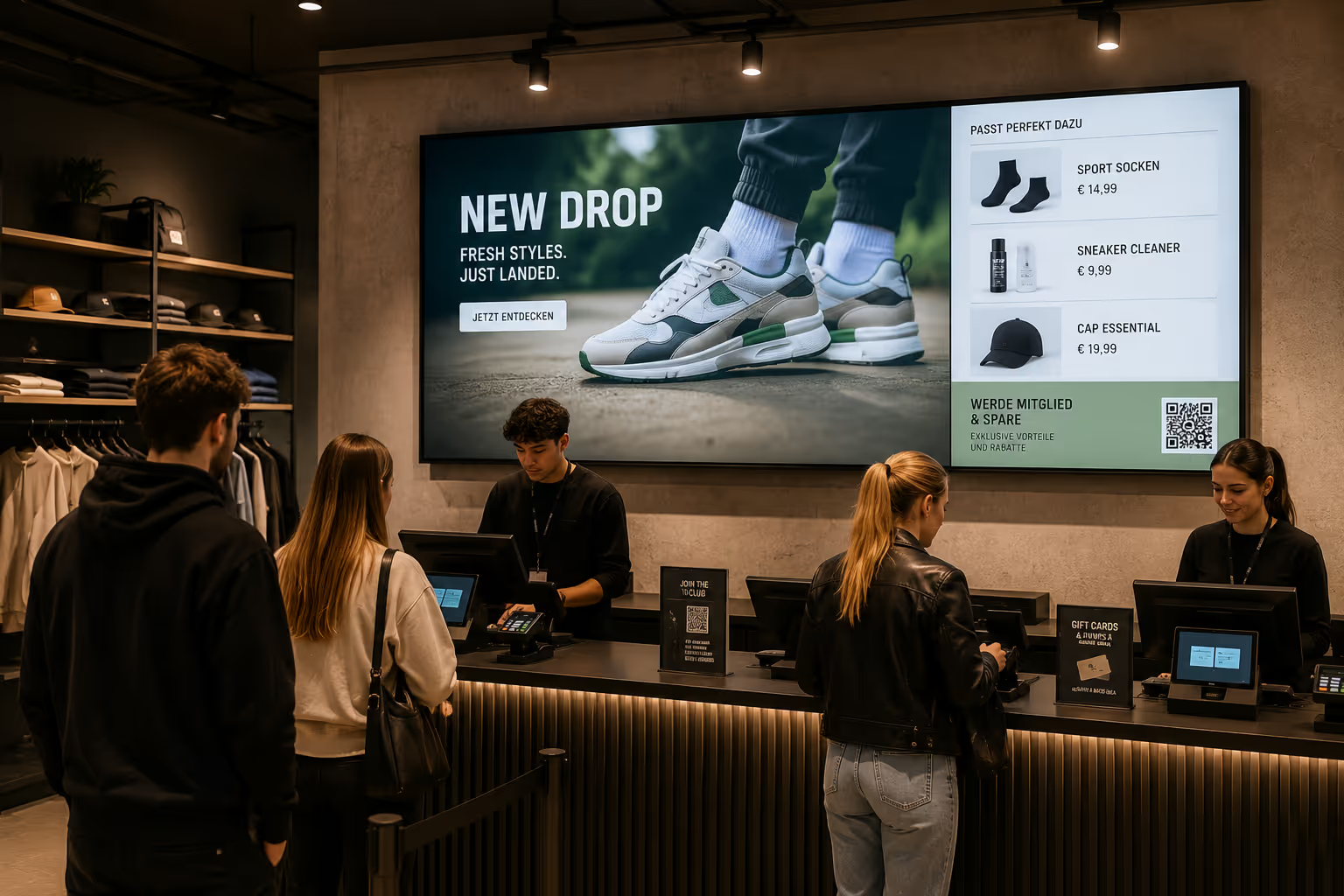
Upselling: Purchase incentives directly in guests' line of sight
Digital displays can do more than just show menus. They create targeted purchase incentives right where guests are waiting, ordering, or deciding.
A short video of steaming coffee, freshly baked bread, a dessert, or a freshly tapped drink is significantly more emotional than a static board. Moving content appeals to the senses and makes offers more appetizing.
Upselling prompts are particularly effective in the queue or directly at the point of order.
Examples:
- "Make it a meal with fries & a drink"
- Dessert recommendation after the main course
- Coffee and croissant in the morning
- Evening cocktail special
- Side dish or dip for the main course
- Seasonal dessert
- Daily special with a short animation
With connectSignage, such content can be displayed based on time or location. For example, the breakfast offer appears in the morning, the menu upgrade at lunchtime, and the cocktail special in the evening.
Displaying allergen information and additives
Food service establishments must correctly provide information on allergens and additives. On printed menus, this can quickly become confusing, especially when offers change regularly.
Digital displays can present allergen information more elegantly. Allergens can be directly marked with symbols or made accessible via a QR code.
A possible process:
- The menu board clearly displays dishes and prices.
- Small symbols indicate important allergens or additives.
- A QR code leads to a detailed digital allergen page.
- Guests can access information directly on their smartphone if needed.
This ensures more transparency without cluttering the menu board. At the same time, information can be updated centrally if ingredients or recipes change.
Reduce waiting times and create ambiance
In checkout, pickup, or waiting areas, displays can improve the perceived waiting time. Guests often perceive waiting time more pleasantly when they see relevant, entertaining, or appetizing content.
In addition to menus, displays can show other content:
- The restaurant's social media feeds
- Instagram posts from guests
- Weather information
- News widgets
- Pickup information
- New products
- Today's recommendations
- Stories behind ingredients
- Pictures from the kitchen or bar
- Reviews or guest feedback
This transforms a screen from merely a menu into an atmospheric communication platform.
Especially in cafes, bars, fast-food restaurants, or modern restaurant concepts, digital displays can help visibly connect the brand experience, ambiance, and service information.
Event Marketing: Increasing event visibility
Many hospitality businesses thrive on events. Live music, public viewing, brunch, theme nights, tastings, happy hours, or seasonal events need timely visibility.
Digital signage is ideal for promoting events directly in the dining area, at the bar, in the entryway, or at the checkout.
Examples:
- Live music on Friday
- Public viewing this weekend
- Sunday brunch
- Cocktail night
- Wine tasting
- Seasonal Menu
- Holiday Menu
- Theme Night
- Reservation Information
- Promotional Weeks
A portion of the screen can be permanently dedicated to event announcements, while the remaining area displays the menu, special offers, or social media. This keeps event marketing visible without the need to print additional posters or flyers.
Digital Menus for Restaurants, Cafés, Bars, and Food Concepts
Not every hospitality establishment operates the same way. A café has different requirements than a bar, a fast-food restaurant, a canteen, or an à la carte restaurant.
Digital menus can be flexibly customized for each specific area.
Typical examples:
- Breakfast Menu in a Café
- Daily Menu in a Restaurant
- Cocktail Menu at the Bar
- Snack Menu in the Takeaway Area
- Buffet Information for Catering Areas
- Digital Beverage Menu
- Dessert Menu
- Promotional Menu at a Fast-Food Restaurant
- Daily Specials in Canteens or University Cafeterias
- Promotional Displays at Fresh Food Counters
This makes communication more consistent, without each department having to work with its own printed cards.
What hospitality businesses technically need: control, data, and reliability
For digital signage to work effectively in daily hospitality operations, it takes more than just individual screens. Crucial is central software that allows content to be quickly managed, automatically updated, and reliably displayed.
Key technical requirements include:
- central control of multiple displays and locations
- automatic switching by time of day or day of the week
- quick price and offer changes in the browser
- location management for branches or restaurant chains
- connection to data sources, lists, or systems
- triggers for sold-out products
- flexible layouts and split screens
- QR codes for allergens, menus, or reservations
- Social media, weather, and news widgets
- Offline playback in case of connection issues
- easy operation for restaurant and service teams
- Monitoring for displays and players
With connectSignage, content can be centrally managed and specifically displayed on individual screens, areas, or locations. This allows menu boards, offers, guest information, events, and pickup instructions to be controlled from a single interface.
Automatic time-of-day control for menus and offers
In the hospitality industry, timing is crucial. That's why automatic content display based on the time of day is particularly valuable.
With connectSignage, content can be planned in advance. The breakfast menu appears in the morning, the lunch menu automatically starts at 11:30 AM, and in the evening, cocktails, dinner, or event information are displayed.
This saves time in daily operations and reduces errors. Employees don't have to change signs, rewrite boards, or manually adjust displays.
This is especially useful for:
- Restaurants with changing daily specials
- Cafes with breakfast, snacks, and cakes
- Bars with happy hour
- Canteens and university cafeterias
- Bakeries and fresh food counters
- Fast food restaurants
- Restaurant chains with consistent campaigns
Flexible layouts and split screens for greater impact
A display doesn't just have to show a menu. With flexible layouts, hospitality businesses can display multiple types of content simultaneously.
Examples of split screens:
- left: digital menu
- right: daily special or dessert recommendation
- bottom: event notice or QR code
- top: video of food or drinks
- side: social media feed or weather
This way, a screen can display menu, ambiance, offers, and additional information simultaneously.
This is particularly valuable in high-attention areas: queue, checkout, bar, buffet, pickup, or entrance area.
Operational reliability: Display content even during internet outages
In the hospitality industry, Digital Signage must run reliably. A screen displaying an error message at the checkout or on the menu board looks unprofessional and interrupts the ordering process.
That's why offline capability is important. Content can be cached locally on the hardware. If the internet connection temporarily fails, already loaded content continues to play.
This is particularly relevant for:
- Menu boards
- Checkout displays
- Pickup monitors
- Window displays
- Event displays
- Bar displays
- Digital menus
This ensures menus, offers, and guest information remain visible, even if the connection temporarily fails.
Why connectSignage is suitable for the hospitality industry
connectSignage is a Digital Signage software for central control of digital displays in restaurants, cafes, bars, bakeries, canteens, university cafeterias, and food service concepts. Content can be managed, scheduled, and distributed to individual screens, areas, locations, or restaurant chains via a single interface.
connectSignage is particularly suitable for the hospitality industry when menus, prices, daily specials, events, allergen information, or guest information need to be displayed quickly and in a controlled manner.
The main advantages for hospitality businesses are:
- Digital menu boards and menus
- Automatic changes based on time of day and day of the week
- Quick price and offer changes in the browser
- Removing sold-out dishes with just a few clicks
- Upselling content and animated purchase incentives
- QR codes for allergens, additives, or reservations
- Split screens for menu, social media, weather, and events
- Event marketing for brunch, live music, or public viewing
- Central control of multiple locations
- Offline playback in case of connection issues
- Easy operation for daily team use
- Monitoring for displays and players
This enables hospitality businesses to manage their guest communication more up-to-date, appealing, and efficiently.
Conclusion: Digital Signage makes hospitality communication more flexible
Digital signage helps restaurants, cafés, bars, and food service concepts make information visible exactly where guests make decisions: at the checkout, in the dining area, in the entrance area, at the bar, at the buffet, or in the pick-up zone.
Digital menu boards make menus more flexible, prices quicker to adjust, and offers more appealing. They support upselling, allergen communication, event marketing, and guest information.
For hospitality businesses, digital signage is particularly valuable because it combines central control with time-of-day specific content delivery. Content can be prepared, automatically switched, and updated instantly if needed.
connectSignage supports key requirements of modern hospitality communication: digital menu boards, automatic time-of-day control, rapid price changes, allergen information, social media integration, event marketing, and reliable in-store playback.
This makes digital signage a practical tool for modern hospitality: visible to guests, easy for teams to control, and flexible enough for changing offers.
FAQ
What is Digital Signage in Hospitality?
Digital signage in hospitality describes the use of digital displays to show menu boards, menus, prices, daily specials, allergen information, events, social media, and guest information in restaurants, cafés, bars, and food service areas.
What is a digital menu board?
A digital menu board is a screen that displays food, drinks, prices, daily specials, and offers. Content can be centrally updated, time-controlled, and distributed to individual locations or restaurant chains.
Why are digital menu boards useful?
Digital menu boards are practical because menus, prices, and offers can be changed quickly. Breakfast, lunch specials, dinner menus, or happy hour can be displayed automatically according to the time of day, without staff having to swap out signs.
Can digital menu boards switch automatically by time of day?
Yes. With digital signage software, menu boards can switch automatically by time of day or day of the week. The breakfast menu appears in the morning, the lunch menu at noon, and the dinner menu or cocktail selection in the evening.
Can prices and dishes be changed quickly?
Yes. Prices, dishes, and offers can be changed in the browser and displayed directly on one screen or synchronously across multiple locations. Sold-out dishes can be quickly removed from the display.
How does digital signage support upselling in the hospitality industry?
Digital signage supports upselling by displaying high-margin side dishes, menus, drinks, desserts, or promotions directly in guests' line of sight. Videos, animations, and appetizing images can boost buying impulses.
How can allergens and additives be displayed digitally?
Allergens and additives can be displayed directly with symbols on the menu board or made accessible via QR codes. Guests scan the code and receive detailed information on a digital allergen page.
Can digital signage shorten waiting times?
Digital signage doesn't automatically shorten waiting times, but it can make them feel more pleasant. Displays can show menus, social media feeds, weather, news, offers, or pickup information, keeping guests informed while they wait.
Is digital signage suitable for restaurants with multiple locations?
Yes. Digital signage is particularly suitable for restaurant chains, franchise concepts, and food service businesses with multiple locations. Content can be centrally controlled and still adapted to specific locations.
What happens if the internet goes down in the restaurant?
With offline playback, content is stored locally on the hardware. If the internet connection fails, already loaded content continues to run. This way, menu boards, offers, and guest information remain visible.
What content can hospitality businesses show on displays?
Typical content includes menus, prices, daily specials, happy hour, allergen information, QR codes, social media, event notices, reservation information, pickup instructions, weather, news, videos, and offers.
How does connectSignage support hospitality businesses?
connectSignage helps hospitality businesses centrally control digital menu boards, menus, offers, allergen information, event marketing, and guest information. Content can be displayed according to time, location, display, or campaign.
Bereit deine Kommunikation zu transformieren?
Entdecken, wie connectSignage deine Botschaften sichtbar und wirksam macht.
Weitere Insights zur digitalen Kommunikation
Lese mehr zu Trends, Strategien und Technologien, die Unternehmen verändern.
.png)

.png)
.png)
.png)
Digital Signage Insights Delivered Straight to Your Inbox
Trends, best practices, and tips—concise, relevant, and practical.