
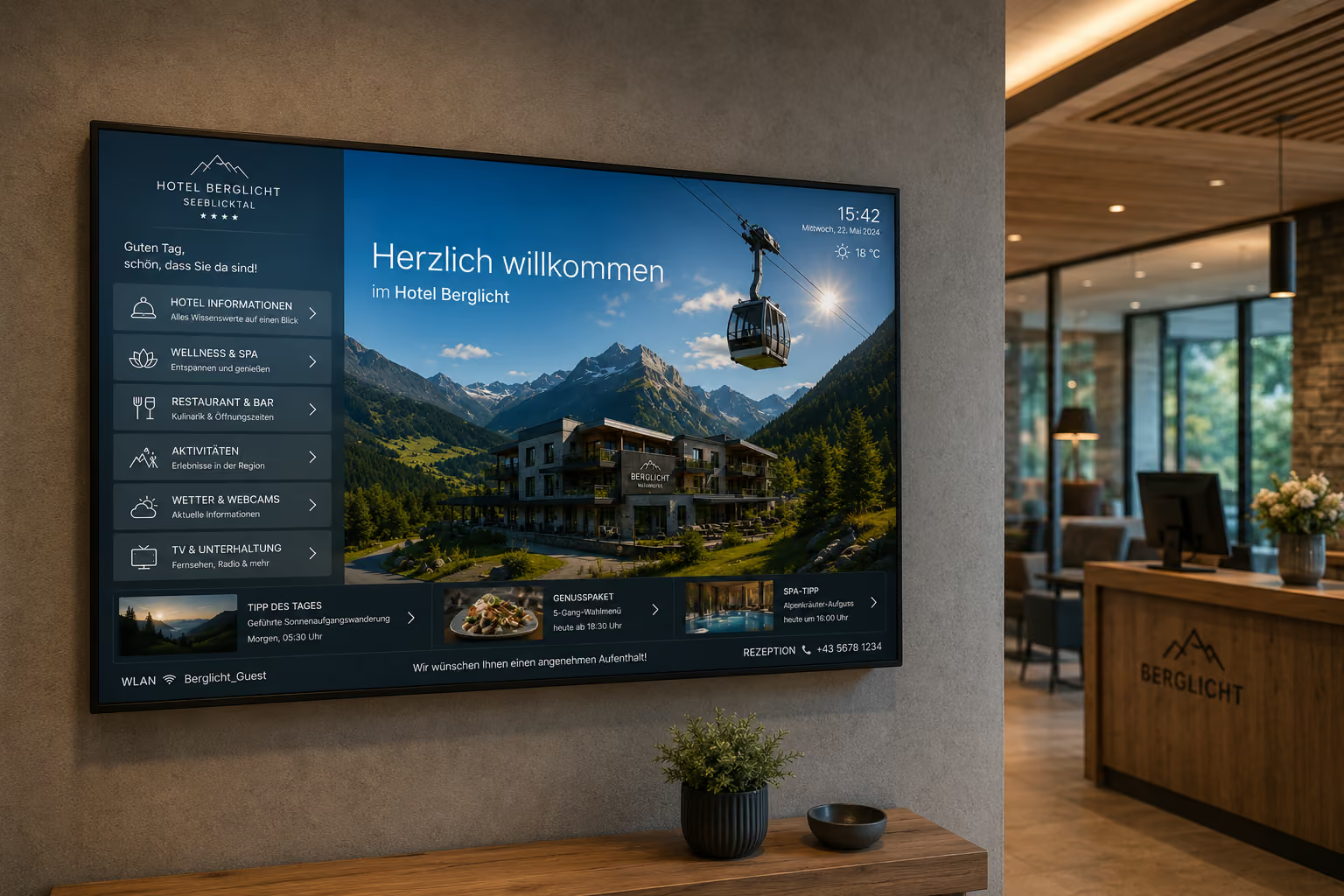
Digital guest communication along the entire guest journey
In the hospitality industry, first impressions count. Guests enter the lobby, seek orientation, want to check in quickly, need information on breakfast, Wi-Fi, restaurants, spas, meeting rooms, or excursions, and expect professional, modern communication.
At the same time, the audience is constantly changing. Business travelers, families, tour groups, wedding parties, conference guests, and international visitors require different information — often around the clock and frequently multilingual.
This is exactly where Digital Signage comes in for hospitality.
In brief: Digital Signage for hotels refers to the use of digital displays to centrally display guest information, welcome screens, digital wayfinding, meeting room directions, restaurant and bar offers, spa services, event information, weather, timetables, and emergency notices. With connectSignage, hotels, resorts, guesthouses, and boarding houses can centrally control content for lobbies, reception areas, hallways, elevators, conference areas, restaurants, bars, and public spaces.
Digital displays not only replace printed notices. They make information more visible, current, and valuable along the entire guest journey — from the moment guests enter the lobby until check-out.
Why guest communication in hotels is particularly challenging
Hotels communicate with very diverse target groups. A business guest needs different information than a tour group, a wedding party, or a conference attendee. At the same time, content must always be up-to-date.
Breakfast times change, meeting rooms are rebooked, events take place, spa appointments are available, restaurant offers change, and guests repeatedly ask for the same information.
Typical challenges in hotels and hospitality businesses include:
- Guests need quick orientation in lobbies, hallways, and conference areas.
- Reception teams frequently answer recurring questions.
- Information must be visible around the clock.
- Content should be multilingual, visually appealing, and brand-compliant.
- Meeting rooms and event areas require daily updated signage.
- Offers for restaurants, bars, spas, or events need more visibility.
- Printed notices and flyers quickly become outdated.
- Multiple displays and areas need to be controlled centrally.
- Check-in waiting times should feel more pleasant.
- Safety and emergency information must be immediately visible in an emergency.
Digital signage creates a central, visual communication platform for precisely these requirements. Content can be planned, updated, and specifically displayed on individual screens, areas, or locations.
Why digital guest communication is becoming more important
Today, guests expect modern, clear, and seamless communication. Information should be available exactly where it's needed: upon arrival, in front of the elevator, at the meeting room, in the restaurant, at the bar, or in the spa area.
Market data shows that digital information systems continue to grow. The global digital signage market was estimated at approximately 22 billion US dollars in 2024 and is projected to grow to around 49.4 billion US dollars by 2034. The hospitality digital signage market is also developing dynamically, valued at approximately 2.48 billion US dollars in 2024, and is expected to rise to around 4.09 billion US dollars by 2032.
For hotels, this means: Digital guest communication is increasingly becoming a part of modern hotel concepts. It combines service, orientation, brand impact, and revenue potential — while simultaneously relieving staff during daily operations.
Who can benefit from digital signage in hospitality?
Digital signage is suitable for hotels, resorts, guesthouses, boarding houses, aparthotels, conference hotels, business hotels, holiday hotels, city hotels, boutique hotels, hotel groups, serviced apartments, hostels, and event venues with overnight accommodation.
Digital signage is particularly useful wherever guests need to receive information quickly, visually, and without having to ask.
These include:
- Lobby and main entrance
- Reception
- Waiting and seating areas
- Elevators
- Hallways
- Meeting areas
- Conference rooms
- Restaurant
- Bar
- Breakfast Area
- Spa and Wellness Areas
- Event Spaces
- Outdoor Areas
- Boardinghouse Lobbies
- Self-Check-in Areas
Hotel groups and multi-location businesses also benefit because content can be centrally managed yet displayed specifically for each location.
What are the benefits of Digital Signage for Hotels?
Digital Signage improves guest communication, wayfinding, the check-in experience, upselling, event communication, and internal processes. Digital displays show greetings, hotel information, floor plans, meeting room occupancy, restaurant offers, spa appointments, weather, timetables, events, and emergency notices.
The most important use cases in hospitality are:
- Digital Reception and Welcome Screens
- Personalized Greetings
- Digital Wayfinding
- Meeting Room Displays and Digital Door Signs
- Upselling and Cross-Selling Displays
- Digital Concierge Information
- Restaurant and Bar Displays
- Spa and Wellness Offers
- Event Marketing
- Elevator and Hallway Communication
- Multilingual Guest Information
- Emergency and Safety Communication
Each of these use cases serves a different purpose along the guest journey. Together, they ensure that guests are better informed and staff have to answer fewer recurring questions.
Digital Reception and Welcome Screens: Welcoming Guests Professionally
The lobby is one of the most important touchpoints in a hotel. This is where first impressions are made.
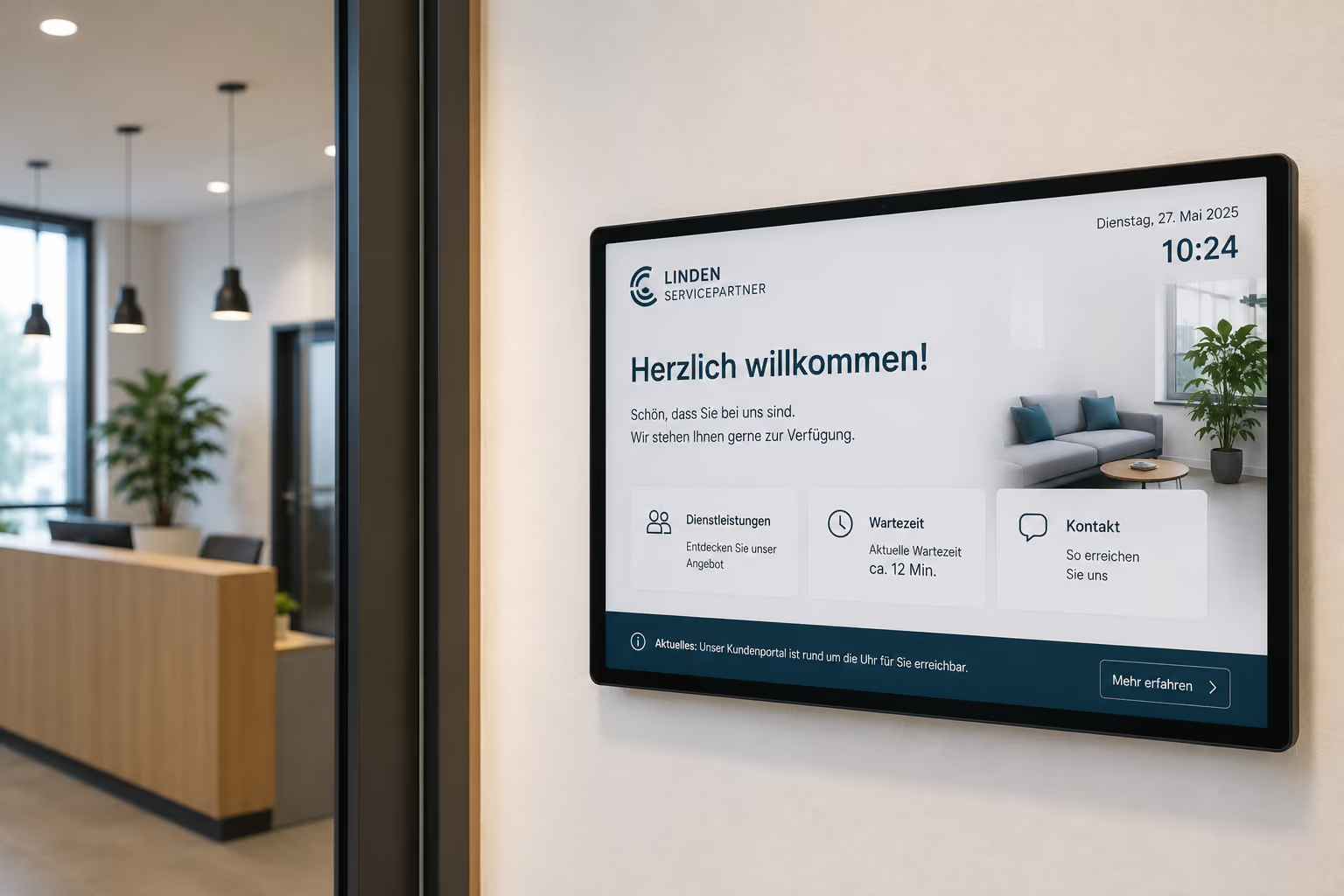
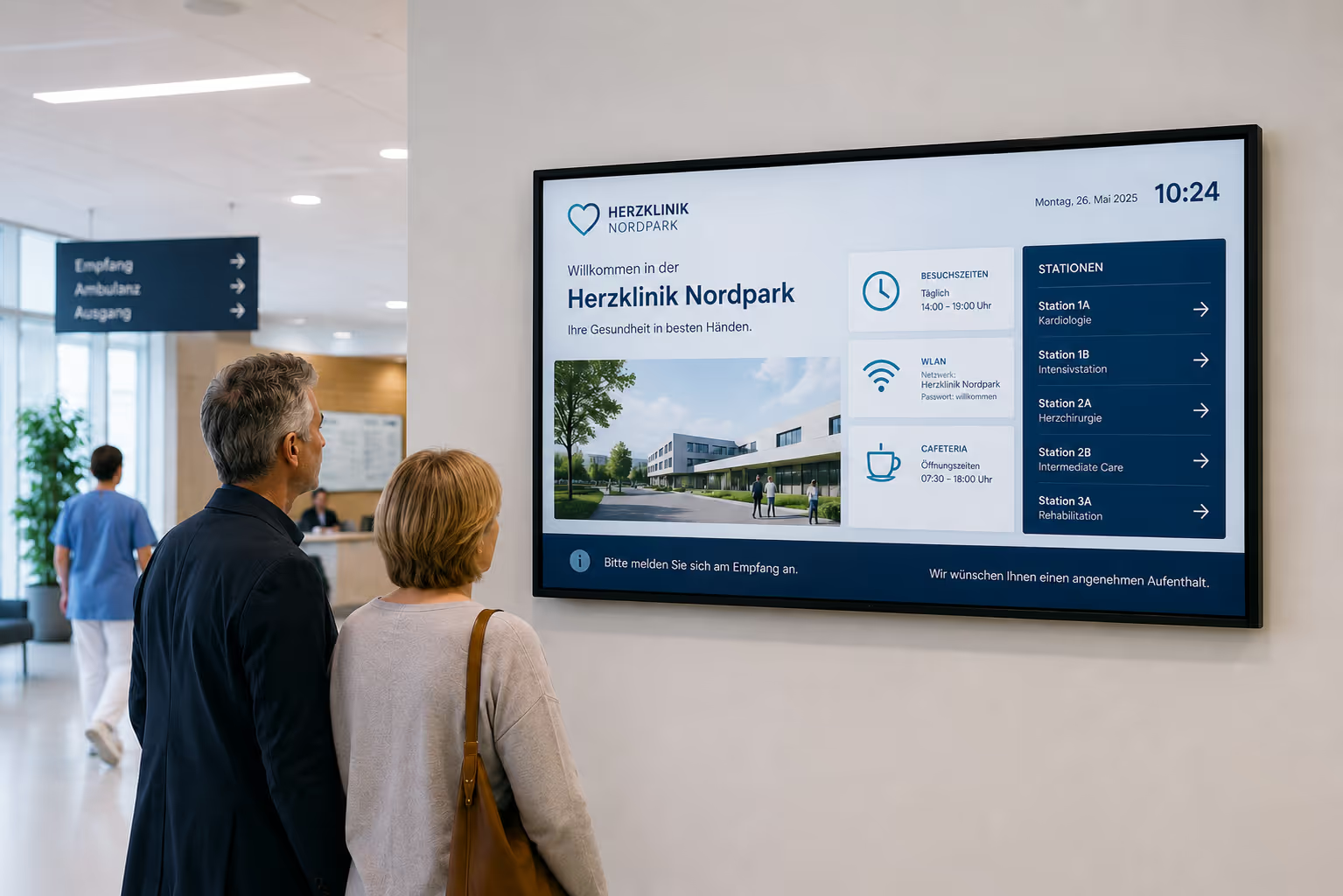
Welcome screens can personally greet guests, travel groups, corporate clients, or wedding parties. For example, a display can show: "Welcome, Company XY" or "Welcome to Anna & Max's Wedding". Logos of corporate clients, event names, or group information can also be displayed.
Typical content for welcome screens includes:
- personal greetings
- Hotel name and brand message
- Daily information
- Check-in information
- Wi-Fi information
- Breakfast times
- Check-out times
- Restaurant and bar information
- Event information
- Weather
- QR codes for digital services
- Multilingual guest information
Especially for group travel, conferences, or events, a personalized welcome ensures guests feel valued and provides a professional start to their stay.
Streamline Check-in: Make FAQs and Information Visible
During peak times at the reception, guests often experience waiting times. They frequently ask similar questions: What's the Wi-Fi password? When is breakfast served? When is check-out? Where is the conference room? When does the restaurant open?
Displays in the reception area can make this information visible before guests even need to ask.
Possible content includes:
- Wi-Fi access
- Breakfast times
- Check-out information
- Self-check-in instructions
- Parking information
- Luggage storage
- Restaurant opening hours
- Bar hours
- Spa information
- Emergency contacts
- QR codes for the digital guest directory
- Public transport information
This eases the burden on reception teams and shortens the perceived waiting time. Guests receive relevant information immediately upon arrival.
Digital Wayfinding: Orientation in the Lobby, Hallways, and Conference Areas
Hotels can be complex. Guests look for the right hall, the restaurant, the spa area, the elevator, the bar, the breakfast room, or the exit to the underground parking.
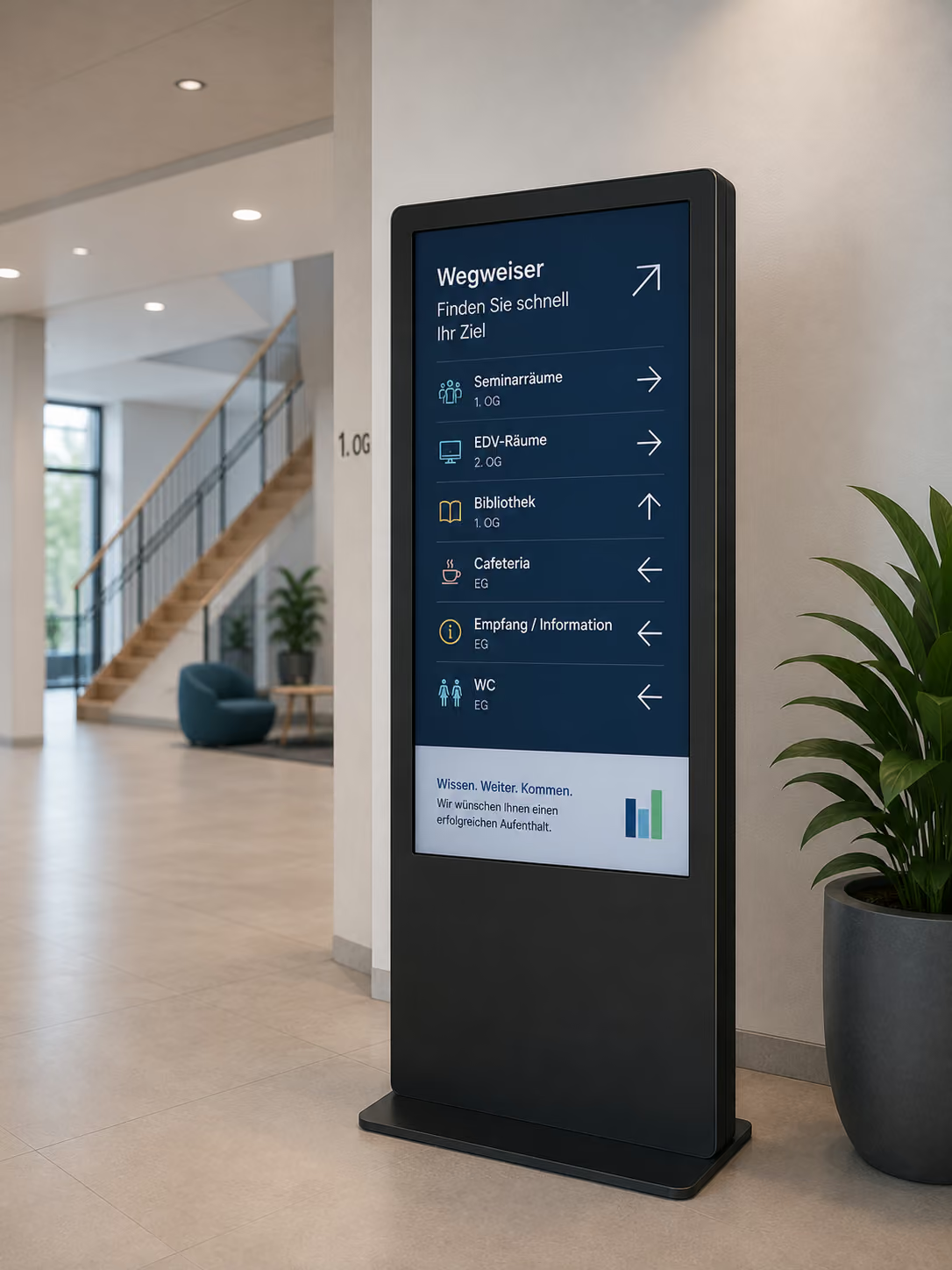
Digital wayfinding helps make this orientation visible and up-to-date. Displays can show arrows, room lists, floor plans, event overviews, or directions to specific areas.
Digital wayfinding is particularly helpful in:
- large hotels
- resorts
- conference hotels
- hotels with multiple buildings
- event venues with accommodation
- hotels with a spa or wellness area
- boarding houses
- hotels with a restaurant, bar, and conference area
If rooms change, events move, or areas are closed, information can be updated centrally. This reduces inquiries to the reception, service, and event team.
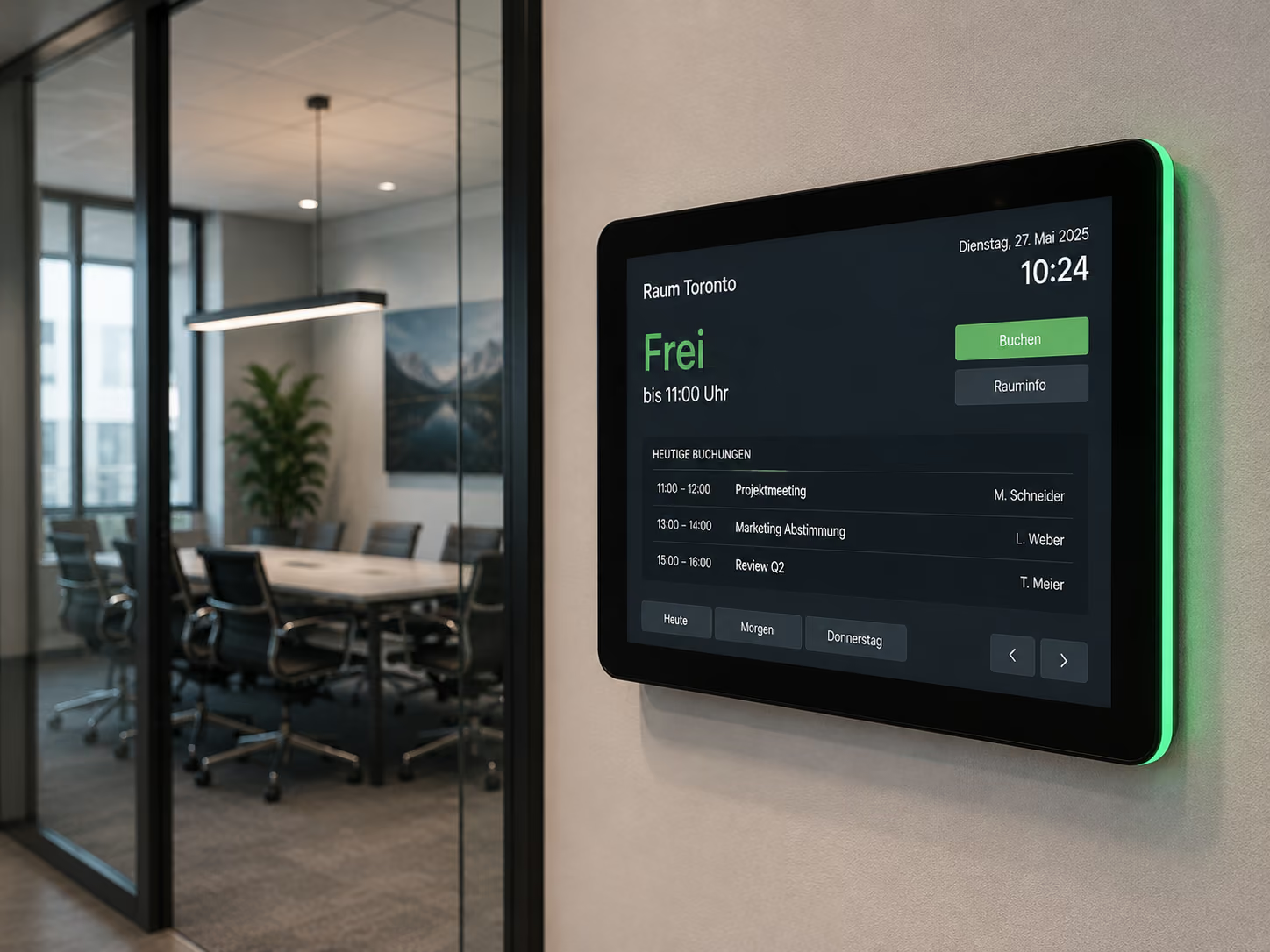
Conference rooms and digital door signs: Display events automatically
Hotels that rent out conference rooms particularly benefit from digital signage. Events, company meetings, workshops, weddings, or seminars need to be correctly signposted daily.
Digital door signs next to the rooms automatically show which event is currently taking place. Room occupancy can be updated live via interfaces to calendars, hotel booking systems, or Microsoft Outlook.
A conference room display can show, for example:
- Room name
- Current event
- Company logo
- Event time
- Next booking
- Seating Information
- Agenda
- QR code for the program
- Directions to Breakout Rooms
In the main area, an overview can also be displayed: "Strategy Meeting Company XY – Rhine Room, 2nd Floor" or "Müller Wedding Party – Hall 1". This helps guests find the right room faster.
Upselling and Cross-Selling: Making Hotel Offers Visible
Many hotels have offers that guests could use during their stay — but often don't notice. Digital signage makes these offers visible.
Displays in the lobby, elevators, hallways, restaurant, bar, or spa area can promote available appointments, specials, and additional offers.
Typical upselling content includes:
- available spa appointments
- Massage or wellness offers
- Dinner menu at the hotel restaurant
- Happy Hour at the hotel bar
- Cocktail of the day
- Brunch offers
- Late check-out
- Room upgrades
- Bike rental
- Parking offers
- Shuttle service
- Hotel Events
- Vouchers or Packages
The advantage: Offers appear exactly where guests are open to inspiration. A spa offer in the elevator, a bar special in the lobby, or a dinner suggestion in the afternoon can encourage additional bookings.
Digital Concierge Feature: Added value for guests, fewer inquiries
Digital signage can serve as a digital concierge. Displays show information that guests would otherwise ask for at the front desk.
Possible content includes:
- Weather forecast
- Local excursion tips
- Attraction recommendations
- Public transport schedules
- Taxi and shuttle information
- City map or QR code to a map
- Event recommendations
- Restaurant and bar recommendations
- Opening hours of local attractions
- Rental bike and mobility information
- multilingual guest information
This provides genuine value to guests and saves staff time. International guests particularly benefit when information is presented clearly, visually, and multilingually.
Restaurant, Bar, and Breakfast: Automatically display offers
Even in the hotel restaurant, at the bar, or in the breakfast area, digital signage can perform valuable functions.
Displays can show menus, daily specials, breakfast times, drink lists, happy hour offers, event notices, allergens, or additives. Content can be automatically switched based on the time of day or day of the week.
Here's a typical schedule:
- Mornings: Breakfast hours, buffet information, and coffee specials
- Lunchtime: Lunch specials or conference menus
- Afternoons: Cakes, snacks, or spa offers
- Evenings: Dinner menu, bar specials, or event notices
Allergen and additive information can also be digitally supported. Notices can be displayed using symbols or supplemented with QR codes linking to a detailed digital information page.
This keeps restaurant communication current, eliminating the need for constant manual updates to menus, notices, or boards.
Elevators and Hallways: Making Information Visible on the Go
Not all information needs to be displayed in the lobby. Elevators and hallways are particularly well-suited for short, attention-grabbing content.
Guests absorb information as they pass by — for example, on their way to their room, breakfast, or the conference room.
Typical content for elevators and hallways includes:
- Spa offers
- Bar specials
- Restaurant information
- Evening program
- Event tips
- Weather
- Check-out information
- Breakfast times
- Room cleaning information
- Sustainability information
- QR codes for services
- Emergency information
This is how passive hotel areas are transformed into active information displays.
Showcasing hotel event marketing
Hotels are not just places to stay overnight. Many establishments host live music, brunch, themed evenings, public viewing, weddings, conferences, tastings, or seasonal events.
Digital signage is perfectly suited to showcase such events.
Examples:
- Live music at the bar
- Sunday brunch
- Public viewing
- Wine tasting
- Themed evening
- Wellness weekend
- Christmas menu
- New Year's Eve party
- Conference program
- Wedding information
- Corporate events
- Regional events in cooperation with partners
Event announcements can be displayed in the lobby, elevator, hallway, bar, or restaurant. This way, they reach guests at the right moment and don't need to be distributed as flyers or paper displays.
Multilingual guest information for international guests
Multilingualism is particularly important in hotels. Guests travel from various countries and expect key information to be understandable.
Digital displays can present content in multiple languages or switch between languages. This is particularly helpful for:
- Check-in instructions
- Breakfast times
- Wi-Fi information
- Wayfinding
- Conference information
- Spa offers
- Safety information
- Emergency instructions
- Restaurant information
- Public transport and local tips
Visual symbols, icons, and QR codes further enhance comprehensibility. This makes guest communication more accessible, more international, and less dependent on inquiries at the reception.
What hotels technically need: central control, integrations, and reliability
For digital signage to work in daily hotel operations, it takes more than just individual screens. Crucial is a central software solution that allows content to be easily managed, scheduled, and reliably displayed.
Key technical requirements in hotels are:
- Central control of multiple displays and areas
- personalized welcome screens
- time-scheduled content for breakfast, bar, restaurant, and events
- interfaces to calendars or booking systems
- digital door signs for meeting rooms
- real-time wayfinding
- multilingual content
- QR codes for guest directories, Wi-Fi, menus, or services
- social media, weather, and timetable widgets
- flexible layouts and split screens
- permission and role management for teams
- offline playback in case of connection issues
- monitoring for displays and players
- easy browser-based operation
With connectSignage, content can be centrally managed and specifically displayed in the lobby, reception, elevators, hallways, meeting rooms, restaurant, bar, or spa area.
Easy browser-based control for the entire hotel
In daily hotel operations, communication needs to be fast. Staff at reception, marketing, event management, or F&B don't have time to change content on every screen individually.
With connectSignage, content can be centrally maintained in the browser. A single employee can control an entire display network in the hotel — from the lobby and meeting rooms to the restaurant and bar.
Examples:
- Reception updates welcome screens.
- Event team maintains meeting room notices.
- Marketing publishes spa and bar offers.
- F&B updates restaurant and breakfast content.
- Management displays guest information.
- IT monitors displays and players.
Rights and roles define who can edit which content. This keeps the system easy to use yet controllable.
Flexible layouts and split screens for the lobby and guest journey
A hotel display often needs to fulfill multiple tasks simultaneously. In the lobby, it can welcome guests, show the weather, highlight events, and promote offers all at once.
Flexible layouts allow multiple content elements to be combined on one screen.
Examples of split screens:
- Main area: Welcome video or image film
- Side area: Weather and local information
- Bottom area: Event ticker
- QR code: Digital guest directory or Wi-Fi
- Small area: Bar or spa offer
- Main display area: Meeting overview
- Additional area: Room directions
This transforms a display from a mere information board into a dynamic communication surface along the guest journey.
Operational reliability: Display content even during internet outages
Hotels must operate around the clock. A screen displaying an error message in the lobby or outside a meeting room appears unprofessional and can unsettle guests.
That's why offline capability is crucial. Content can be cached locally on the hardware. If the internet connection temporarily fails, already loaded content continues to play.
This is particularly relevant for:
- Welcome screens
- Lobby displays
- Digital door signs
- Meeting room displays
- Restaurant and bar displays
- Elevator displays
- Digital wayfinding
- Emergency information
This ensures important information remains visible, even if the connection is temporarily interrupted.
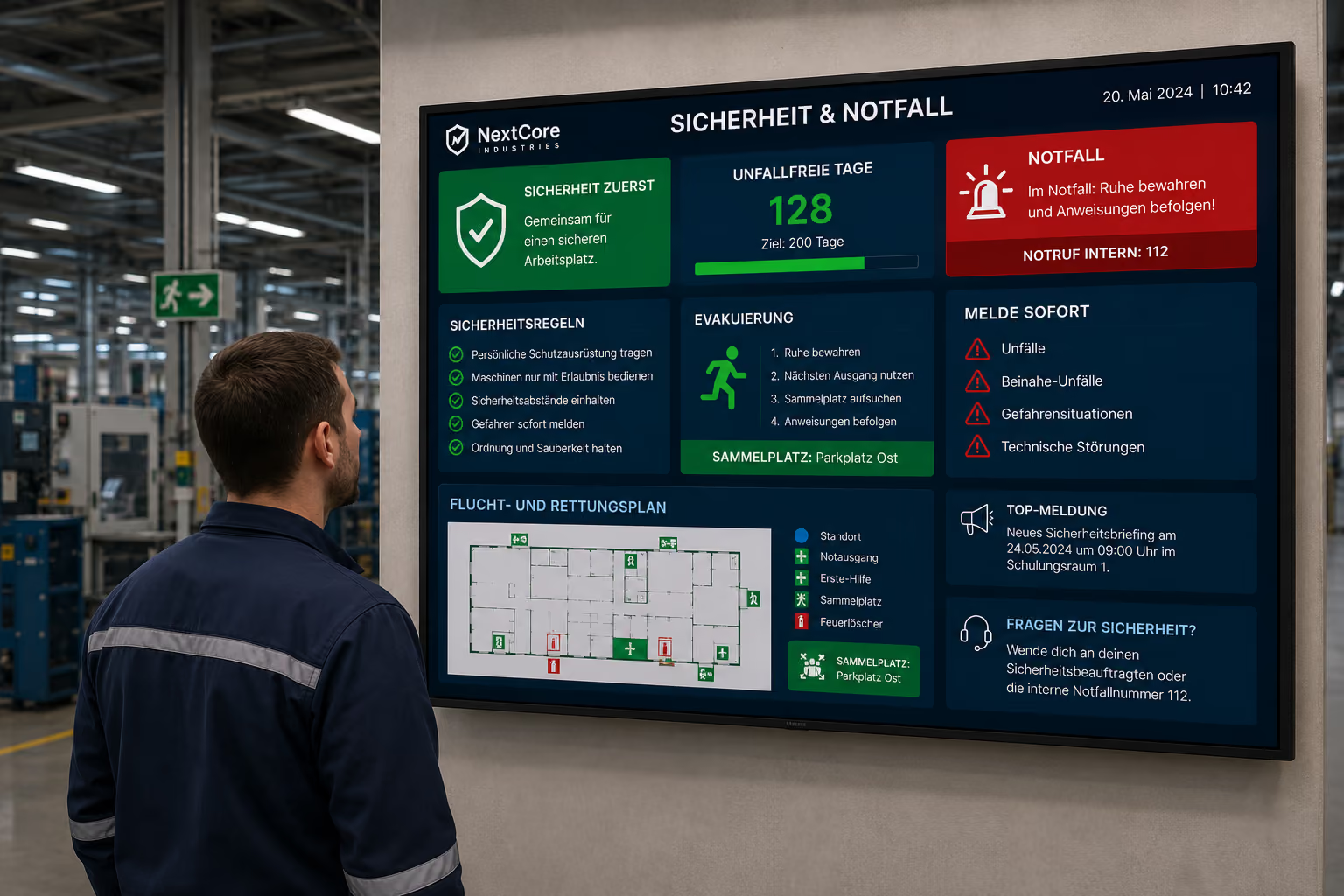
Emergency and safety communication in hotels
Hotels also require clear safety communication. In case of fire alarms, evacuations, technical malfunctions, severe weather, or other incidents, guests need to quickly know what to do.
In an emergency, digital displays can switch to an emergency mode. Instead of regular content, they show escape routes, assembly points, instructions for behavior, or all-clear messages.
This is particularly relevant because guests are often unfamiliar with the building. Visual support in lobbies, hallways, or elevators can supplement existing safety concepts and make information visible more quickly.
Why connectSignage is suitable for Hospitality
connectSignage is a digital signage software for centrally controlling digital displays in hotels, resorts, guesthouses, and boarding houses. Content can be managed, scheduled, and distributed to individual screens, areas, floors, meeting rooms, or locations via a single interface.
connectSignage is particularly well-suited for hospitality when guest information, welcome screens, digital wayfinding, meeting room notices, restaurant offers, spa offers, or event information needs to be displayed in a timely and controlled manner.
The main advantages for hotels and hospitality businesses are:
- Digital reception and welcome screens
- Personalized greetings for groups, corporate clients, and events
- Streamlining check-in with FAQ and service information
- Digital wayfinding for lobby, hallways, spa, restaurant, and meeting rooms
- Dynamic door displays for conference and event rooms
- Interfaces to calendars or booking systems
- Upselling and cross-selling for spa, restaurant, bar, and additional services
- Digital concierge information with weather, tips, and timetables
- Restaurant and bar displays with automatic dayparting
- Multilingual guest information
- Central control in the browser
- Flexible layouts and split screens
- Offline playback in case of connection issues
- Monitoring for displays and players
- Emergency and safety communication
This allows hotels to transform passive waiting areas into active information and sales spaces, while simultaneously relieving the reception, service, and event management.
Conclusion: Digital Signage makes hotels more modern and service-oriented
Digital Signage helps hotels make information visible throughout the entire guest journey: in the lobby, at reception, in the elevator, in the hallway, in front of meeting rooms, in the restaurant, at the bar, or in the spa area.
Digital displays improve orientation, reduce perceived waiting times, relieve staff, and make offers more visible. At the same time, they support upselling, event marketing, digital concierge information, and multilingual guest communication.
For hospitality businesses, Digital Signage is particularly valuable because it combines service, brand impact, and operational relief. Content can be managed centrally in the browser, scheduled by time, and specifically displayed in individual areas.
connectSignage supports the central requirements of modern hospitality: welcome screens, digital reception, wayfinding, meeting room displays, restaurant and bar information, spa offers, event marketing, digital concierge content, and reliable playback during ongoing hotel operations.
Thus, Digital Signage becomes a practical tool for better guest communication: visible to guests, easy to control for teams, and flexible enough for daily hotel operations.
FAQ
What is Digital Signage in the hotel industry?
Digital Signage in the hotel industry describes the use of digital displays to show guest information, welcome screens, wayfinding, meeting room notices, restaurant and bar offers, spa services, events, weather, timetables, and emergency information in hotels, resorts, guesthouses, and boarding houses.
Why is Digital Signage beneficial for hotels?
Digital Signage is beneficial for hotels because guests need up-to-date information around the clock. Digital displays improve orientation, relieve the front desk, support upselling, and make hotel offers visible throughout the guest journey.
Which Digital Signage use cases are suitable for hotels?
Key use cases include welcome screens, digital reception, digital wayfinding, meeting room displays, digital door signs, restaurant and bar displays, spa offers, event marketing, concierge information, and emergency communication.
How does Digital Signage relieve the front desk?
Digital Signage relieves the front desk by visibly displaying frequently requested information. These include Wi-Fi details, breakfast times, check-out times, directions, restaurant hours, spa offers, parking information, and QR codes for the digital guest directory.
Can guests receive personalized greetings?
Yes. Welcome screens can greet travel groups, wedding parties, corporate clients, or event attendees by name. Logos, event names, or individual messages can also be displayed.
Can meeting rooms be automatically signed?
Yes. Digital door signs and meeting room displays can automatically show which event is taking place in which room via interfaces to calendars, booking systems, or Microsoft Outlook.
How does Digital Signage help with wayfinding in hotels?
Digital wayfinding displays arrows, floor plans, room lists, event locations, or directions to the restaurant, spa, bar, reception, and meeting areas. If rooms change, information can be updated centrally.
How does Digital Signage support upselling in hotels?
Digital Signage supports upselling by making spa appointments, restaurant offers, bar specials, late check-out, room upgrades, brunch offers, or events directly visible in the lobby, elevator, hallway, or restaurant.
What is a digital concierge function?
A digital concierge function shows guests useful information such as weather, excursion tips, timetables, city maps, local recommendations, restaurant hours, or QR codes for digital services. This adds value and reduces inquiries at the front desk.
Can hotel displays show multilingual information?
Yes. Digital displays can show content in multiple languages or switch between languages. This is particularly helpful for international guests, group tours, conferences, and hotels in tourist regions.
Can digital signage be used in a hotel restaurant?
Yes. Displays in the hotel restaurant or at the bar can show breakfast times, menus, daily specials, happy hour offers, allergen information, event details, or QR codes for digital menus.
What happens if the internet goes down at the hotel?
With offline playback, content is stored locally on the hardware. If the internet connection fails, already loaded content continues to play. This ensures welcome screens, wayfinding, door signs, and guest information remain visible.
Can digital signage be used for emergency communication in a hotel?
Yes. In an emergency, digital displays can show emergency instructions, escape routes, assembly points, behavioral guidelines, or all-clear messages. This adds a visual communication channel to existing security concepts.
How does connectSignage support hotels and hospitality businesses?
connectSignage helps hotels centrally control digital displays and deliver content specifically by area, floor, room, location, or guest journey phase. This includes welcome screens, digital reception, wayfinding, meeting room displays, restaurant and bar offers, spa information, event marketing, and concierge services.
Bereit deine Kommunikation zu transformieren?
Entdecken, wie connectSignage deine Botschaften sichtbar und wirksam macht.
Weitere Insights zur digitalen Kommunikation
Lese mehr zu Trends, Strategien und Technologien, die Unternehmen verändern.
.png)

.png)
.png)
.png)
Digital Signage Insights Delivered Straight to Your Inbox
Trends, best practices, and tips—concise, relevant, and practical.